
Fintech ran the show in January. Then February happened.
In January 2026, fintech pulled $131.6 million across the continent — Egypt's ValU and NowPay leading the charge. Logistics and transport? A modest $27.1 million.
Then February.
Logistics and transport raised $119.6 million — overtaking fintech as Africa's top-funded sector for the first time in years. Spiro's $57M, GoCab's $45M, and the Nigerian defence-tech outlier Terra Industries did the heavy lifting.
Across Jan–Feb 2026, African startups raised $575 million across 58 deals — the fastest start to any year on record. But the composition was different.
For the first time since Flutterwave and Chipper Cash were minting headlines, fintech was no longer the loudest room in the building.
Why fintech is cooling
This is not a story of African fintech dying. M-Pesa is fine. Moniepoint is fine. OPay and Airtel Money are reportedly plotting IPOs.
But beneath the marquee names, the middle is being squeezed.
Look at the May 2026 fundraise log:
- 🇨🇮 Cauridor, an Ivorian remittance startup, raised $2M from Proparco. A Series A in 2026 at roughly the size of a 2019 seed.
- 🇬🇧 LemFi, the diaspora-payments darling, raised a $32.4M Series B extension. The word "extension" is doing a lot of work in that sentence.
- 🇳🇬 FairMoney is in M&A talks to absorb Shara, a Kenyan digital bank.
- 🇰🇪 JuiceMe acquired Ajiraworks.
- And a $106M Mastercard-backed African startup fund was just court-ordered into liquidation.
That is the texture of a sector consolidating. Not collapsing — consolidating. The capital still flowing into fintech is heading to two places: very large incumbents preparing for public exits, and stablecoin infrastructure plays like Fasset, which raised $51 million last week. Everything in the middle — the "neobank for X" companies, the cross-border payments startups without a license, the savings apps — is finding the door has gotten narrower.
Why e-mobility is heating
Now look at the other side of the ledger.
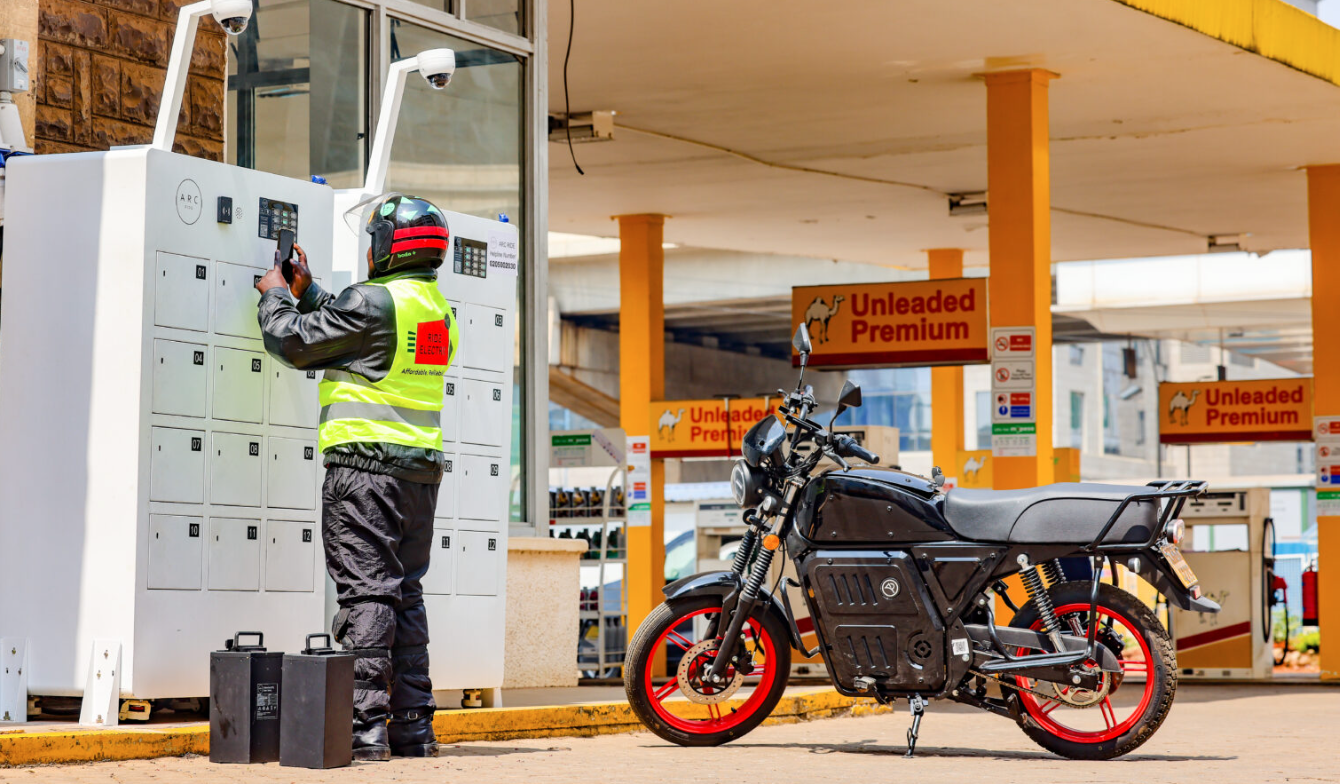
Spiro has now raised roughly $230 million since 2022. It operates in 🇰🇪 Kenya, 🇺🇬 Uganda, 🇷🇼 Rwanda, 🇳🇬 Nigeria, 🇧🇯 Benin, and 🇹🇬 Togo, with pilots in 🇨🇲 Cameroon and 🇹🇿 Tanzania.
80,000 electric motorcycles on the road. 2,500 battery swap stations. 30 million swaps completed. Over a billion carbon-free kilometres logged.
That is not a startup anymore. That is infrastructure.
Behind Spiro: MAX (formerly Metro Africa Xpress) just secured $8M in debt from Dutch impact investor Triple Jump. Ampersand is targeting 13,000 motorcycles by late 2026. BasiGo, Roam, Ecobodaa, and Stima are filling Nairobi's streets with buses, bikes, and swap kiosks while Kenya's matatu saccos sign fleet-conversion deals at a pace nobody predicted in 2023.
Three things changed in 2025–26 to make this possible:
- The unit economics finally worked. Operating an electric boda boda in Nairobi or Kigali is now 30–40% cheaper than a petrol equivalent for a commercial rider. The math no longer requires subsidy faith — it requires a battery swap within five minutes.
- DFI debt arrived at scale. Afreximbank, Proparco, IFC, the Africa Go Green Fund — development finance now treats electric mobility as both climate action and industrial policy. They can write $50M debt cheques that a Series B equity fund would never touch.
- The carbon math is real. A billion carbon-free kilometres is a number a climate-mandated LP at a London or Frankfurt pension fund can put on a slide.
Having sat on both sides of this table — fundraising for an SME marketplace at Ramani, then building an EV roadmap at WAGA Motion — I can tell you the difference is starker than the funding numbers suggest. When you pitched fintech in 2023, the first question was always "What's your TAM and what's your CAC?" When you pitch a battery-swap network in 2026, the first question is "How many swaps per station per day, and what's your unit economics on a four-year battery life?" One is a software question. The other is a power-plant question. African capital — finally — has more patience for the second one.
East Africa: where the rotation is most visible
CHARGED readers in 🇰🇪 🇹🇿 🇺🇬 🇷🇼 will recognise this rotation faster than anyone, because East Africa is the operating theatre.
Kenya already has 35,000+ EVs on the road. The government targets 100,000 electric motorcycles by the end of the decade. Kenya Power is planning 400+ charging and swap stations by 2027. Nairobi's saccos are converting fleets at pace.
Here is the bridge to fintech that most observers miss:
Watu Africa just posted a record $37 million quarterly profit on the back of smartphone and EV financing. 40% of its loan book is already EV-asset financing. The company is targeting half a million electric bikes financed by 2030.
M-KOPA has issued $1.6 billion in credit in Kenya alone, served 4.8 million customers, and just crossed 5,000 electric motorbikes financed — with a 2026 expansion plan beyond Nairobi County to Mombasa and the wider region.
These are not fintechs. They are not e-mobility companies. They are both, fused at the asset level. They are the dual citizens of the new African investment thesis — and the early read is that they are out-earning, out-scaling, and out-profiting their single-pillar peers.
The catch: Kenya might break its own party
One discordant note worth flagging.
The 🇰🇪 Finance Bill 2026 proposes a 16% VAT on electric vehicles, lithium-ion batteries, and electric bicycles — reversing the tax breaks that built the sector.
If it passes as drafted, Spiro, BasiGo, Roam, and Ampersand all just got 16% more expensive overnight in their flagship market. The boda boda rider in Githurai who was about to switch off petrol will hesitate. The matatu sacco that ordered 68 buses from BasiGo will revisit the order book. The capital rotation we are watching could rotate back — or sideways into Rwanda, Uganda, and Tanzania, all of which currently maintain more EV-friendly tax regimes.
Watch this one. It is the single policy variable with the most leverage on the year ahead.
What CHARGED is watching next
Three things on the radar between now and August:
- Spiro's next round. $230M raised in four years, mostly debt. Where is the equity narrative? An IPO whisper? A strategic from Stellantis, TVS, or BYD? The company has outgrown its current cap structure.
- The M-KOPA / Watu IPO question. Both are profitable, both have audit-grade unit economics, both sit on asset-backed loan books with measurable default curves. The asset-financing operators — not the pure fintechs — may be the first generation of African listings that actually price well.
- OPay's and Airtel Money's IPO timing. If either list in 2026 and prices below expectations, the squeeze on the fintech middle gets sharper. If they price well, the equity door re-opens.
One more thing
When historians write the chapter on African tech in the 2020s, the first half will be about software. The second half will be about what software finances.
The companies that win the next decade in Africa will not look like Stripe or Square. They will look like a bank, a leasing company, an OEM, and a power utility fused into one stack.
Fintech is not dying. It is being absorbed into something bigger.
Made in Tanzania 🇹🇿 with Charged passion⚡
— Peter Mkwawa